
“Lords of Life: A History of the Kings of Thailand” by HRH Prince Chula Chakrabongse

Early last month, I set out on a road trip to the Songkhla province in Thailand. I grew fascinated with the local culture and customs — and also developed somewhat of a guilty craze for watching the historical drama Love Destiny, which is massively popular among the locals. So quite naturally, I picked up this book to learn more about Thailand’s history. Being written by the grandson of one of Thailand’s most beloved kings, King Chulalongkorn, this book inevitably has its biases, especially in that it is too reverent of Thailand’s monarchy. But it at least offers a good basic understanding of their history.
“Fields of Blood: Religion and the History of Violence” by Karen Armstrong
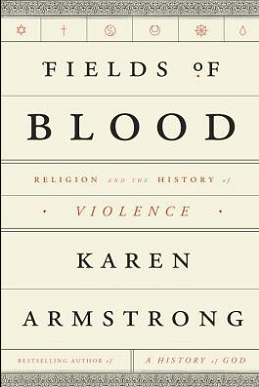
It’s a common trope that religion is the main cause of violence around the world. But through her exhaustive research, Karen Armstrong suggests that the truth is much more complicated. She argues that war and bloodlust are ingrained in our human nature. And on the contrary, every religion advocates peace. While every religion certainly has its extremists, they cannot be considered true believers of their faith. Rather, they are only using religion to justify their own violent impulses.
The Classic Horror Stories by H.P. Lovecraft
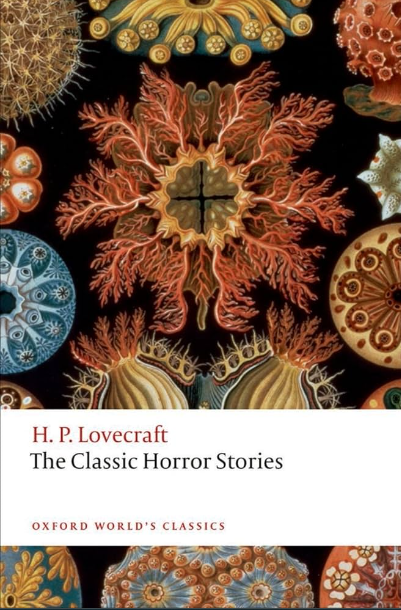
I (finally) read some of Lovecraft’s stories. I tend to think of Lovecraft as the dark web of literature. Reading his stories makes you feel like you’ve had a glimpse into an absurd side of life that you can’t unsee. Essentially, Lovecraft’s writing works because it preys on our very valid fear of the unknown — the helpless feeling that we are a tiny speck in a limitlessly large and incomprehensible world. Much of the descriptions of the weird creatures and events in his stories are merely secondhand accounts from the characters. The real horror comes in thinking where words fail in describing such things as they really are.
“Born to Run” by Christopher McDougall
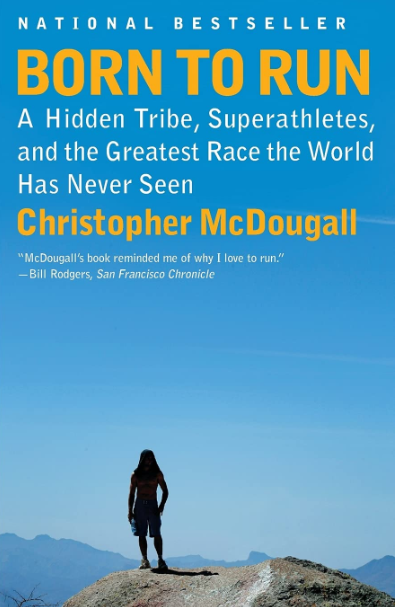
I’m not much of a runner myself, as I prefer to cycle instead. But I found this book to be pretty interesting. The author shares his study on the Tarahumara tribe, who are able to run very long distances at great speeds, without resorting to injury. For one thing, the tribe doesn’t wear modern running shoes like we do, which actually cushion our feet too well, thereby not properly engaging the muscles and leading to injury. And also, running is a big part of their everyday life and culture, and they really love to run. The author therefore argues that our human species is actually built for endurance running, that literally, we were born to run.
“Cash” by Johnny Cash
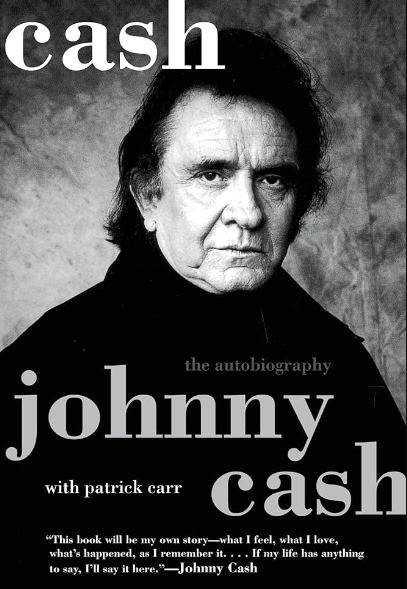
I was pleasantly surprised by how good this book was. Structure-wise, it reminded me a lot of Bob Dylan’s Chronicles, which is similarly non-linear in its narrative. And it’s endearing to see a vulnerable side to Johnny Cash’s character, who would otherwise only be known as “The Man in Black”. I loved how candid he is relating his struggles with fame and drug addiction, as well as his challenges in adapting to an ever-changing landscape in the music industry.
Tao Te Ching by Lao Tzu
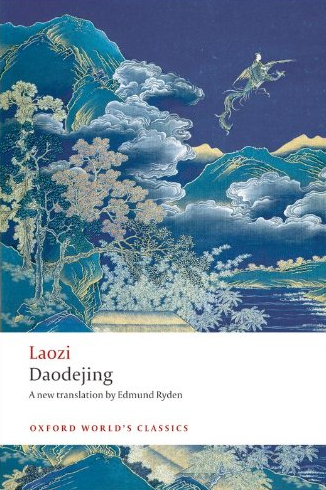
I first read Tao Te Ching years ago during the toughest time in my life. It has since become one of my favorite ancient texts on the theme of stillness. Re-reading this felt no less timely, as it reminded me that happiness is right now. It doesn’t come later from changing things, or getting more things. Happiness is free, and it comes from not wanting to change anything, and from knowing that you already have enough.
 Izzat Zailan
Leave a Comment