
“Shiver” by Junji Ito

I hadn’t read a manga for ages until I picked this one up, which is Junji Ito’s handpicked collection of his best short stories. Coming here after reading Lovecraft, I can definitely see a lot of his influences in Ito’s work. It’s a very particular brand of horror, which leverages our fear of the unknown. Many of the absurd events in Ito’s stories are senseless and causeless. They happen because they happen. Much like life itself, this is what makes them so disturbing. This was the most fun I had reading horror in a long while.
“The Power of Moments” by Chip and Dan Heath
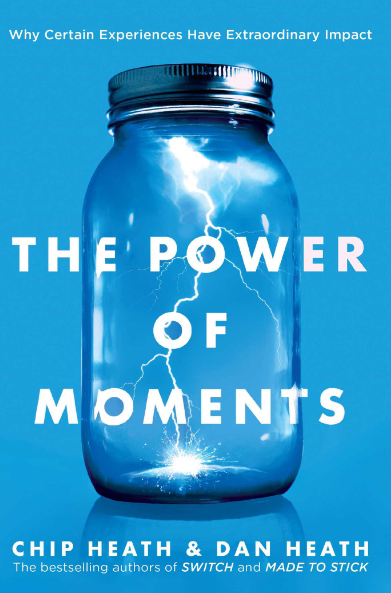
I remember a time when I was nearing the end of playing Witcher III a couple of years ago. I was actually feeling sad, because I knew that I would never be able to experience the game for the first time again. Since then, I’ve thought a lot about how and why special moments, like “first times”, can have such a lasting impact on us. By chance, I recently found the answers in this book. I took a long time reading this one not only because it was so interesting, but because it was incredibly practical, as it teaches us on how we can engineer these moments into our work.
“Switch” by Chip and Dan Heath
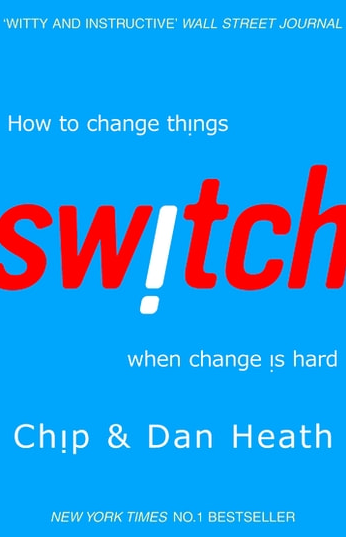
Change is a heavily-covered topic in the self-help and business literature. But Switch shows how great the Heath brothers are as writers, as they are able to breathe new life into an age-old topic, and make it refreshingly timely. I personally found a lot of the strategies in this book to be quite counterintuitive, at least compared to what has been written before. And just as I did with Moments, I took extra time to read this one so that I could better digest everything. Such an amazing book.
“Will in the World” by Stephen Greenblatt

Shakespeare is one of the most difficult figures to write a biography about, because he didn’t leave much room for us to know who he was. The most substantial trace that we have on him is the large body of plays and poems that he wrote. Analyzing Shakespeare’s work as well as the historical events that happened during his lifetime, the author attempts to construct a portrait of who Shakespeare was as a person. This obviously has its problems of course, particularly because the author is essentially speculating. Still, considering the limited information we have on Shakespeare, I thought this was a decent read.
 Izzat Zailan
Leave a Comment