
Personally, 2023 has been a very memorable year for me. But in terms of my writing on this blog, its arc is no different than the years before. When I look back at all the articles I’ve written for any given year, there are some that I’m proud of, some that I’m not so proud of, and some that I don’t even remember writing.
I recently came across a post by Mark Manson in which he said that if you don’t cringe when you look back at your past self, then you haven’t grown all that much.
In the same way, even when I look back at the articles I’m proud of having written, there are still a lot of things in them that I would ideally go back and change. But much like how it is with life itself, the most practical thing you can do is to just own your mistakes and keep moving forward.
The articles I write are just a representation of where I am at in the moment they are being written. You write. You make mistakes. You learn. You write again. You make better mistakes.
Here are some of my personal favorite articles of 2023.

I’ve always been touched by Randy Blythe’s story. Imagine being charged for a crime that you aren’t entirely sure that you’re innocent or guilty of. Most of us would probably take the easiest way out to get ourselves off the hook. But Randy chose to put the lessons he learned from sobriety and Stoicism into practice, and to act as honorably and honestly as he could — even if that meant potentially spending many precious years of his life behind bars.
Another element of this article was inspired by one of my favorite undergrad lecturers, who, in her classes would often tell us, “this is your training ground”. She meant that being a university student is the time to fail, so that you don’t make the same mistakes later in the vicious working world.
At one point, I was thinking back about her words. I thought, “What if our whole life is our training ground — except that we aren’t preparing ourselves for anything but the present? What if every moment is our opportunity to practice our knowledge, to fail, and to practice better?”
Combining these two elements together, I wrote this article. In retrospect, it’s far from perfect. For one thing, I used to have trouble switching time-frames in my narratives, which is why the present and past tenses in this article are a bit messed up. And many parts of the article, especially the ending, were rushed. But I’m glad I posted it anyway. This was some of the most fun I’ve had writing on this blog.
The Musical Masterpiece I Almost Never Discovered
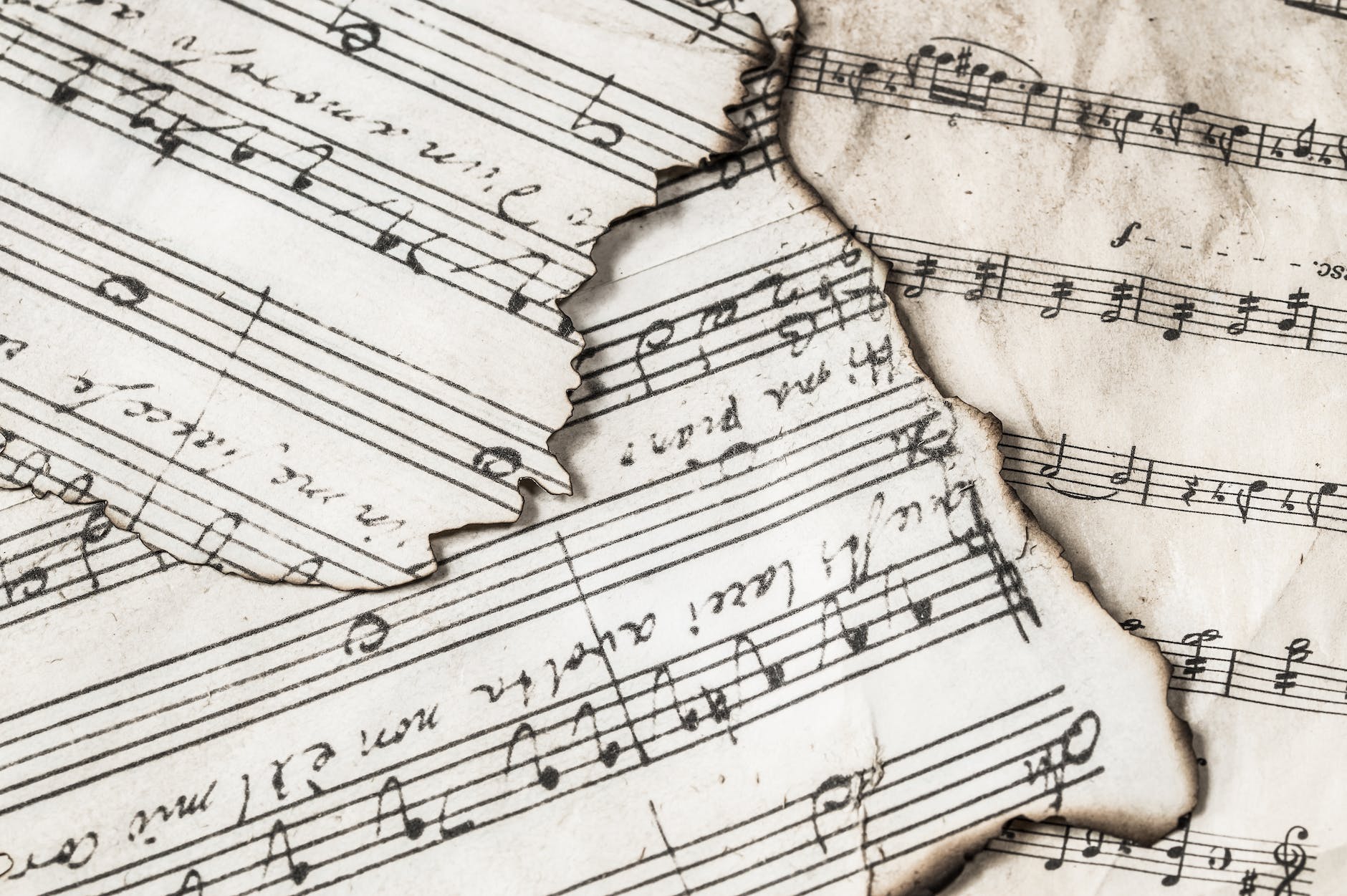
For much of late-2022 to mid-2023, I was deep into the Ghost rabbit hole. I devoured their albums. I kept up with their lore like it was an ongoing Netflix series. I tuned in to Tobias Forge’s interviews to understand how he wrote Ghost’s music.
But there was one essential piece of the Ghost experience that I would’ve easily missed out on, if it weren’t for a tip from a friend. It was a song called Zenith. It was Ghost’s cult-classic: not exactly underrated, but incredibly under-the-radar. Since the song wasn’t available for streaming, I ended up illegally downloading it, so that I could conveniently have it as a local file on Spotify.
In this article, I shared my thoughts on the song’s background, and also analyzed its theme on the cost of progress. I genuinely think this is one of the most brilliantly written songs, not only by Ghost, but by anybody. Every element and tiny detail of the song perfectly complement each other — the ruefully dystopian mood and lyrics, the euphonic singing, the dying echoes of the song’s main melody at the end.
I’m still baffled by how Ghost seemed to give little recognition to the song. And just as it was with Mary on a Cross, everyone that I shared this song with were crazy in love with it too.
And as a happy little update to this article: Zenith is finally on Spotify now, folks.
Should We Separate the Art from the Artist?
This long article was honestly a brain-dump more than anything. I had just read Carlos Castaneda’s Journey to Ixtlan, and I was feeling disillusioned after learning that the author of this beautiful book was a cult leader in real life. In attempting to make sense of what I was feeling, I asked myself, “Where do we draw the line between the artist and their art?”
As you read the article, you’d find that the question doesn’t exactly lead anywhere. And for this reason, I actually look back at this article with a sense of endearment. Because it taught me that you don’t always need to have an answer to everything. You don’t need to have everything figured out. You can just make sense of something based on what works in your current situation.
A few months on, I still don’t have a clear-cut answer to my question. And I don’t think I ever will. With some artists, you can love their art and look up to them as people. And with some, you can only love their art, and not who they are.
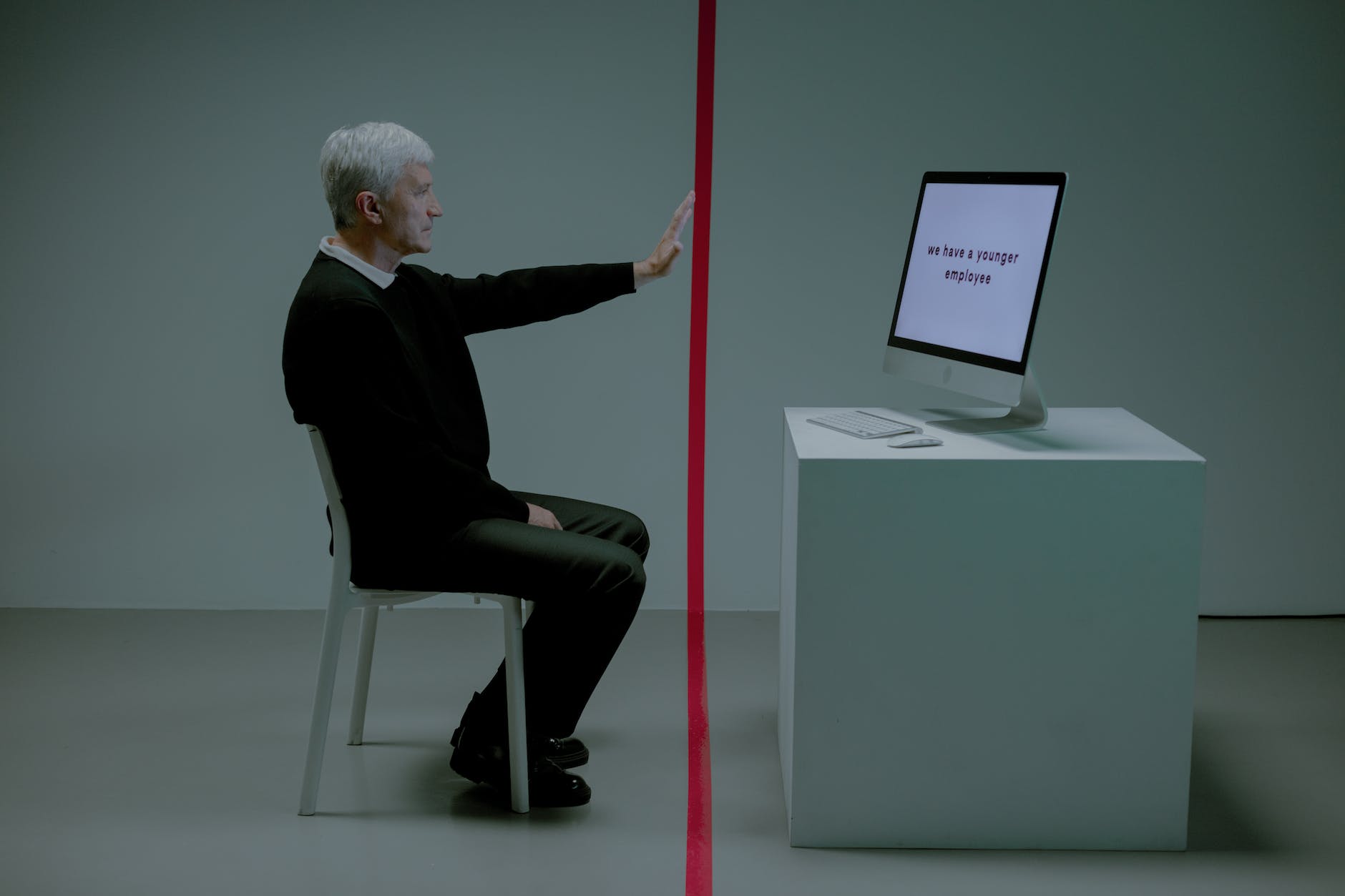
On a side note, I also should have chosen a better picture. At the time, I thought the picture was perfect, because it seemed to gel well with the article’s theme. But it was only after the article was published that I realized the monitor in the picture is actually saying to the old guy, “We have a younger employee.”
Oh well.

I remember where I was on October 7, when live news broke of Hamas’s attack on Israel. I was on holiday in Songkhla, Thailand, having dinner with my friends at a beachside restaurant. It was all jokes and laughs until the mood suddenly turned sullen, and I couldn’t put another morsel of food into my mouth.
“This is not going to go down well,” I thought. While I sympathized with the need to stand up to the Israeli government’s constant oppression, I felt that the attack was a strategic mistake. I knew there would be disproportionate retaliation. I knew there would be an all-out war. True enough, the current crisis in Palestine has been its worst bloodshed in decades. In the end, it’s the civilians that suffer the most.
I knew I had to write about the crisis, but at the time it didn’t feel natural for me to write from a historical or political perspective. So, I turned inward.
I started thinking back about a major faith crisis I had a few years ago, and how I managed to pull myself out of it. I was at my most world-weary, as I personally struggled with the question of why God is silent. I realized that there are likely many people who are experiencing a similar thing now, as we witness tireless and senseless violence day in and day out.
I took to rediscovering my old notes and rewatching an old movie called The Seventh Seal. It was honestly an uncomfortable article to write, but my priority was putting it out there for other people to find.
I was aware that for some people, talking about your struggles with faith is taboo and blasphemous. But I begged to differ. Because God is with the broken-hearted. When life breaks you, it’s an opportunity for you to learn to let His light shine through the cracks.
Thinking about this article now, it fills me with gratitude. Picture Maslow’s Hierarchy of Needs for a moment. Most people, such as those in Palestine, likely don’t have the “privilege” of going through a faith crisis, or other matters related to self-actualization. Because they’re suffering at the bottom of the pyramid, busy trying to get their absolute basic needs met. Simply fighting to exist.
 Izzat Zailan
Leave a Comment