
“The Waste Land: a Biography of a Poem” by Matthew Hollis
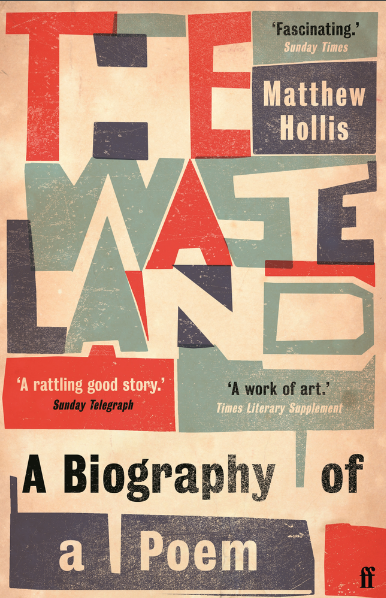
My eyes lit up when I saw this in the bookstore. If you know me, you’d know that I’m a sucker for “making of” stories. I love peeking behind the curtains to see how great art is made. So, to have an entire well-written book on the story behind T.S. Eliot’s The Waste Land, which is one of my all-time favorite poems, is quite the dream. The author does an amazing job at portraying the cultural traumas in the aftermath of World War I, as well as T.S. Eliot’s personal struggles, which led to his penning of one of the world’s most iconic poems. Definitely a must-read if you love the poem as much as I do.
“Confessions of an Old Boy: The Dato’ Hamid Adventures” by Kam Raslan
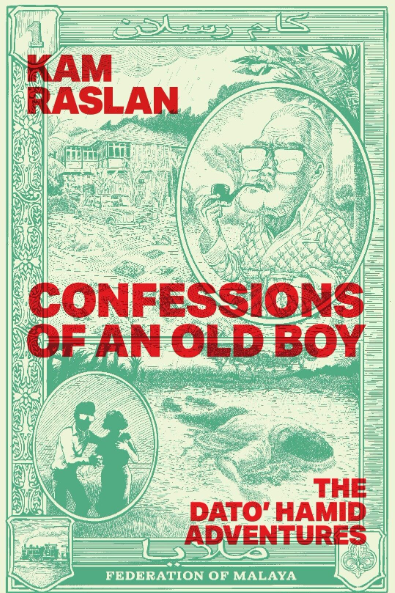
This is the most interesting fiction book I’ve read in a while. It is a series of stories of a character named Dato’ Hamid, who is an “Old Boy” — or one of those folks that left Malaya to study abroad in Europe and came home to a barely-recognizable independent Malaysia. Beneath the satiric humor, there was something I found compelling about understanding a generation that far precedes mine. Particularly, it’s the reverse-culture-shock that the Old Boys internally struggle with. It’s the feeling of being at home, yet feeling out of place at the same time. It’s the feeling that they are more Malayan at heart than Malaysian.
“Feel-Good Productivity: How to Do More of What Matters to You” by Ali Abdaal
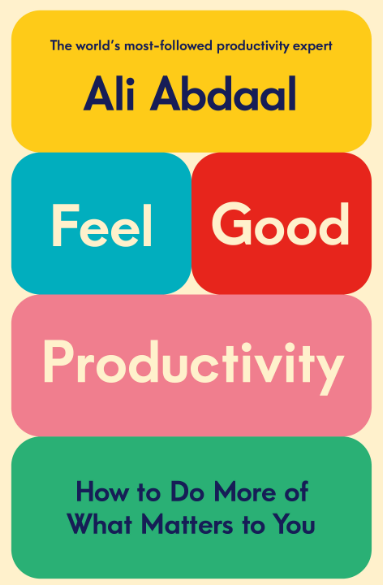
If being more productive feels stressful, then there’s something fundamentally wrong. Exercising, for example, should ultimately feel energizing, rather than being a dreaded chore. This is essentially the point that Ali Abdaal is making in this book: the number one productivity tip that people rarely talk about — or understand — is to love what you do. Perhaps our hustle culture is to blame, as we like to equate senseless struggle with process. Here, Ali shares some great tips on how to find joy in your work. But for me, the most important takeaway is to simply ask yourself in difficult situations, “What would this look like if it were fun?” — and be creative in how you can make your work more enjoyable.
“Lessons for Living: What Only Adversity Can Teach You” by Phil Stutz
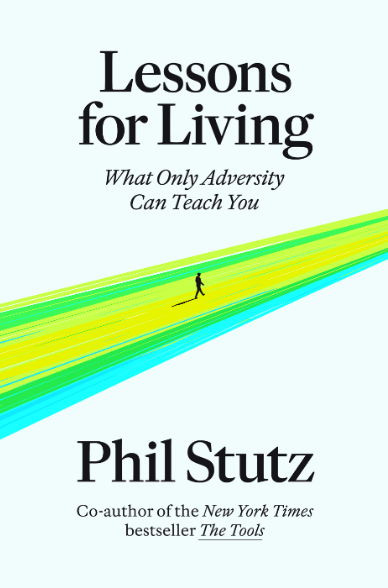
One of the best self-help books I’ve read was Phil Stutz’s The Tools when I was 15. The book has visualization practices for dealing with issues like procrastination and resentment. They were genuinely helpful and practical, that I’ve remembered them all these years. Yet, I admit that, much to my own loss, I got snobbish as I grew older and I became averse to anything spiritual or cheesy, like visualization, no matter how useful they were.
I recently came across Jonah Hill’s endearing documentary of Phil Stutz, who worked as his psychotherapist. This led me to rediscovering Stutz’s work. While I honestly think this recently-published collection of essays isn’t Stutz’s best work, it serves as a good overview of the tools that he teaches. Also, his tools may not be for everybody. But they have certainly helped me a lot in my own day-to-day challenges (especially procrastination) lately.
 Izzat Zailan
Leave a Comment