
“Slow Productivity” by Cal Newport

Always a good read by Cal Newport. In this new book, he challenges our conventional definition of productivity, which generally entails producing more output, and at a fast pace. Obviously, this has caused us a lot of unnecessary stress and burnout, and it also hurts the quality of our work. As a solution, Newport proposes a philosophy he calls “slow productivity”.
This philosophy emphasizes quality over quantity. With that, Newport shares a few strategies including limiting your work commitments, and taking your time to put out your best work. While these are great strategies, the truth is that they aren’t as simple to practice in reality. Especially if you work in the corporate sector, you may be dealing with a culture that prides on being busy all the time. In fact, Newport acknowledges that this book is mostly targeted towards entrepreneurs and freelancers.
“Breaking the Habit of Being Yourself” by Dr. Joe Dispenza

Aside from being less detailed and less refined, it’s safe to say that the content of this book isn’t that much different from Becoming Supernatural, another one of Dr. Dispenza’s books which I reviewed in my last reading list. But by his own admission, the latter is the better book, because it was written in a place where he was no longer as self-conscious about being validated by the scientific community.
Nevertheless, this book, as with Dr. Dispenza’s work in general, teaches how we can have better control over our wellbeing, as well as our destiny, through the act of meditation. Though, in hindsight, it wouldn’t have hurt for me to read this book first, because it is better positioned for people who are new to his work. You might find this especially useful if you’ve never meditated before.
“Models” by Mark Manson
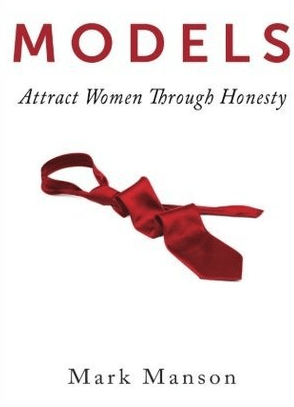
Out of all the books I’ve read on dating and relationships, this is probably the one that makes the most sense for me personally. Manson debullshitizes much of the cultural advice on dating, like the mind-reading, the cheesy pick-up lines and the game-playing, and instead advocates the values of honesty, vulnerability, and non-neediness. This involves being upfront about your interest in another person, what you want or don’t want out of a relationship, and being comfortable with rejection.
While this book is primarily intended for a male audience, I find that much of the content is just as relevant for women as well. And on a side note, this was Manson’s first published book, which in my opinion, is also his most underrated.
“Lawrence of Arabia” by Ranulph Fiennes
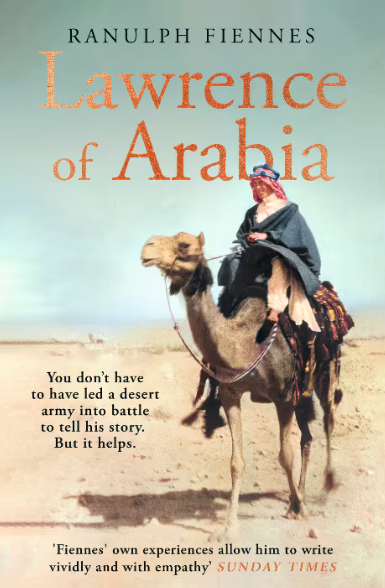
Ranulph Fiennes, himself renowned as the “world’s greatest living explorer”, has a unique approach to writing his biographies, as he relates his subjects’ stories with his own. In this book, T.E. Lawrence’s legendary role in the Arab Revolt is beautifully dovetailed with Fiennes’s similar experiences of leading an army in the Middle East.
Some people don’t like this approach, thinking that it’s rather distracting, or even self-indulgent. But I disagree. I think it’s refreshing, because it gives us a much more empathic understanding of what it could have been like in the subject’s shoes. For instance, how does it feel to be haunted by visions of the fellow human beings that you killed in battle? Fiennes could certainly answer that question, and he does it very well.
One thing to know, though, is that this is a relatively breezy read. So, if you’re looking for a more comprehensive biography of T.E. Lawrence, this probably isn’t the right one for you.
 Izzat Zailan
Leave a Comment