

“Stalin: The Court of the Red Tsar” by Simon Sebag Montefiore
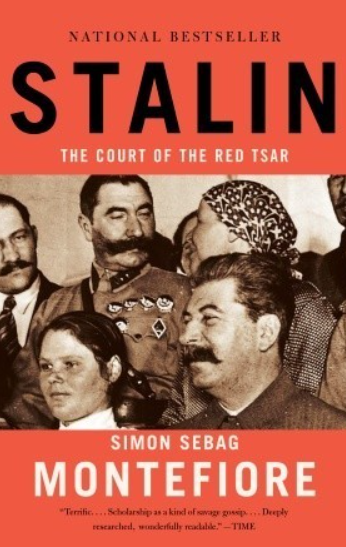
When it comes to someone like Joseph Stalin, it’s so hard to wrap our heads around their cruelty. How could someone be so evil as to do the things that he did, from orchestrating his paranoia-fueled purges and massacres, to sexual exploitation, and facilitating famines and his infamous Gulag system? Unfortunately, there are no easy answers in life.
In this biography, the author undertakes a nuanced approach to understanding Stalin’s character. Without attempting to underline a single definitive answer, the author explores various factors that might have contributed to his evil, such as his upbringing, his personal history (notably his wife’s suicide), as well as his subordinates’ role in enabling his crimes — because as horrible as Stalin was, he was far from the only degenerate in the Kremlin.
“Same as Ever” by Morgan Housel
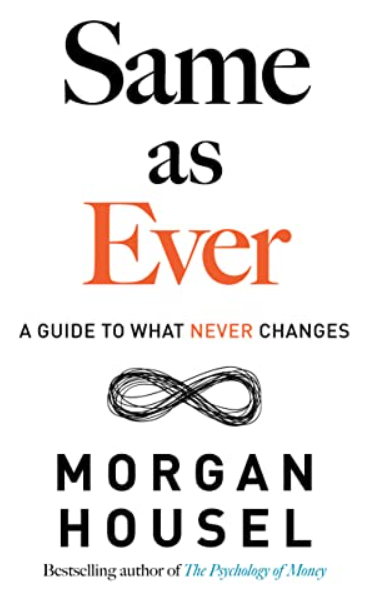
If you enjoyed reading The Psychology of Money, you’re going to love this one. While it follows a similar premise as his previous book, in that it examines timeless human behavior, the lessons in this book are generalized to all facets of life.
One of the biggest insights that I’ve gotten from this book is how long-term thinking can be a crutch. We rarely realize this, but we tend to overidealize the long run. We think to ourselves that whatever adversities we’re going through now will be worth it in the long term. Perhaps it will. But we must also consider the possibility that we’re thinking this way as an excuse to avoid the real, uncomfortable thought process of deciding what we truly want out of our life. Because our problems aren’t going to magically disappear in the long run. They will stay just the same, if not worsen.
“Columbine” by Dave Cullen

“Columbine” is one of the most harrowing school shootings in history, not only due to the innocent deaths and casualties it caused, but also due to its lasting mark on the American psyche. Needless to say, this tragedy was traumatizing for most people. But strangely enough, it has garnered its share of admirers, particularly in the form of the copycat shootings that it inspired.
Columbine is addled with misinformation and myth. In this book, the author painstakingly weaves an honest, objective narrative of how two seemingly average teenagers were driven to commit mass murder. In many ways, this book serves as a primer on mental health, as well as an exposé on how the mainstream media capitalized on this tragedy, and how the local authorities did nothing to prevent this tragedy from happening, when the warning signs were right under their noses.
 Izzat Zailan
Leave a Comment