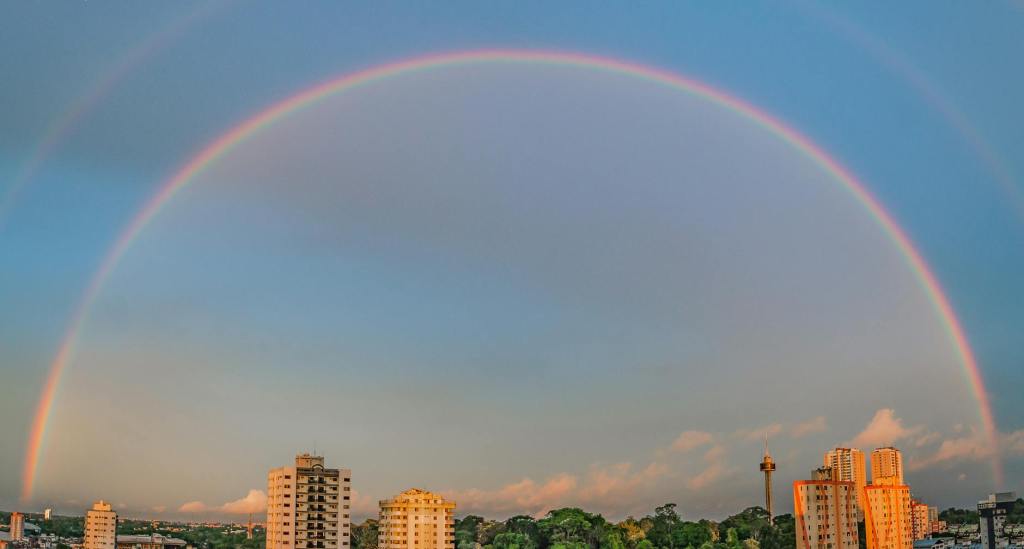
“We seem to have forgotten how comforting it can be to feel small and experience the awe that comes from being silenced by something greater than ourselves, something unfathomable, unconquerable, and mysterious.”
— Julia Baird,
Phosphorescence
The other day, I was talking with my colleague, who has similarly dealt with depression. We got to talking about how it never really goes away.
You could go through an extended period of time where you feel like you’ve really gotten better, and out of nowhere, it comes back, sometimes more intense, in ways that you have never experienced before.
At least in my experience, depression for me used to present itself mostly in terms of lethargy and emotional numbness. But despite this, my mind was sharp, which helped me power through whatever work or studying I needed to do. I remember doing most of my undergrad studies and internship in bed during Covid, because I could barely get up, but I could still force myself to think through my tasks.
Some time last year though, I started getting frequent and intense brain fog. It badly affected my ability to work, because I couldn’t hold onto a single thought. I really struggled to engage in conversations too, because I’d forget what the other person is saying, almost immediately after they said it. Probably the worst case of brain fog I had last year was when I was driving, and I forgot where I was, and where I was going.
Talking about this with my colleague did help me become more optimistic about this, that it could get better somehow. He said, “When you’re at a low point, there’s nowhere else to look but up.”
He also gave me pretty valuable practical advice, which is to take a moment to notice your surroundings.
He explained, “Everything’s dark when you’re stuck in your own head. But if you try to be mindful of what’s happening around you — like right now, we’re having a conversation, and there’s the sound of the air-con and other people talking and laughing — you can slowly start to anchor yourself in the present moment. And you can give your mind a break from that crazy spiral of thoughts.”
Coincidentally, later that day, just when I was about to pack up and go home, another colleague of mine called me over. She said, “Izzat, look out the window. There’s a double rainbow.”
Joining my colleagues, I took a moment to marvel at the sight and take a picture. What made this moment even more beautiful was that when I walked out of my office, there were many other people along the way who similarly stopped whatever they were doing to share in the awe of the scene.
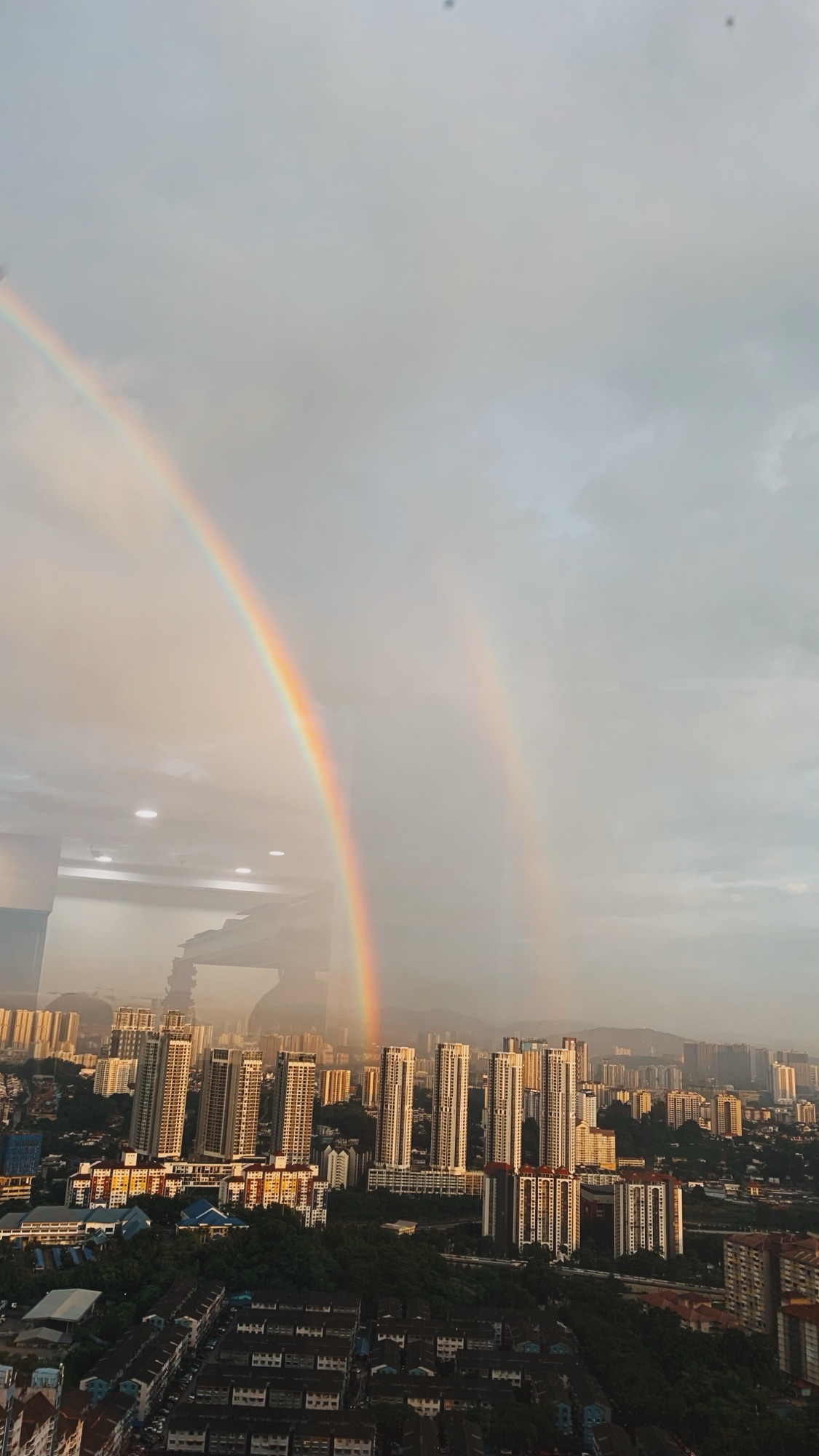
Watching the vivid colors arching across the dusk sky, it felt like a metaphor for the advice my colleague had shared earlier: when you’re overwhelmed, sometimes it helps to step outside yourself and take notice of the world around you.
And now, when I think of that double rainbow, I couldn’t help but feel a sense of gratitude. It’s not just about how beautiful it was, but about what it symbolized for me — not LGBTQ, but hope, which can be fleeting but real — and also a reminder that when you’re caught up in the weight of depression, there are moments like this that can make you stop and feel connected to something greater, even if just for a little while.
I don’t know if my depression will ever truly disappear. Perhaps it won’t. It might linger. It might ebb and flow, much like the unpredictable rain that comes before a rainbow.
But if I’ve learned anything from that day, it’s the value in slowing down, and looking up, and being open to the possibility of light shining through even for a brief moment.
Maybe that’s enough for me to keep going — knowing that there’s always something worth pausing for, just around the corner.
 Izzat Zailan
Leave a Comment