

“Dune: Messiah” by Frank Herbert
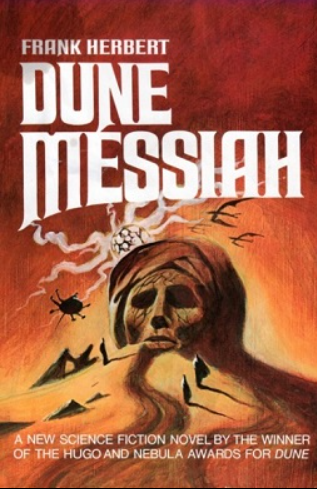
Never had I read a book twice in a row, until I picked up Dune: Messiah, the sequel to Dune. I obviously enjoyed this a lot, as it reads like a perfect epilogue chapter to the first book.
Dune: Messiah was actually intended to be part of Dune. But since the latter was already long enough, it was left out. This created some problems because it somewhat muddied the core message in Dune, which is the danger of politicizing religion.
Comparatively, Dune has more room for ambiguity, leading many readers to interpret it as a conventional hero’s journey story. Meanwhile, Dune: Messiah leaves no room for ambiguity, and it makes it clear once and for all what Frank Herbert’s intention for the story had been all along — that the protagonist, Paul Atreides, is not a hero, but a tragic character who has to face the consequences of heralding himself as a messiah, having waged a bloody holy war in his name.
So, when Dune: Messiah was first published, people hated it, because it subverted their understanding of Dune. Think Joker 2, except that it isn’t a self-indulgently-written musical clusterfuck.
“The Spice Must Flow” by Ryan Britt
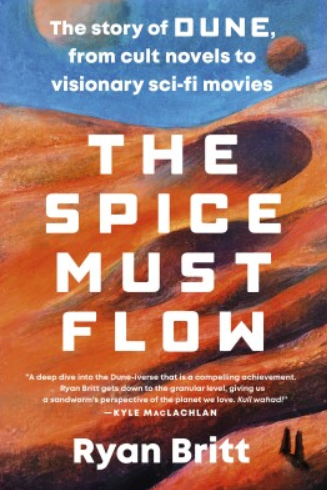
All I do is go down rabbit holes. When I really like something, I find out everything I possibly can about it. So, after watching and rewatching Denis Villeneuve’s Dune films, I just had to find books about Dune.
What I love about this book is that the author is obviously a huge Dune fan, and his passion seeps through the pages. In a very engaging and readable way, the author takes us through Dune’s history, from the experiences that inspired Frank Herbert to embark on his novel, to the various failed adaptations that proved how notoriously difficult it is to turn the story into a film. Perhaps most importantly, the author shares his two cents on why Dune still matters today.
“The Art and Soul of Dune” by Tanya Lapointe
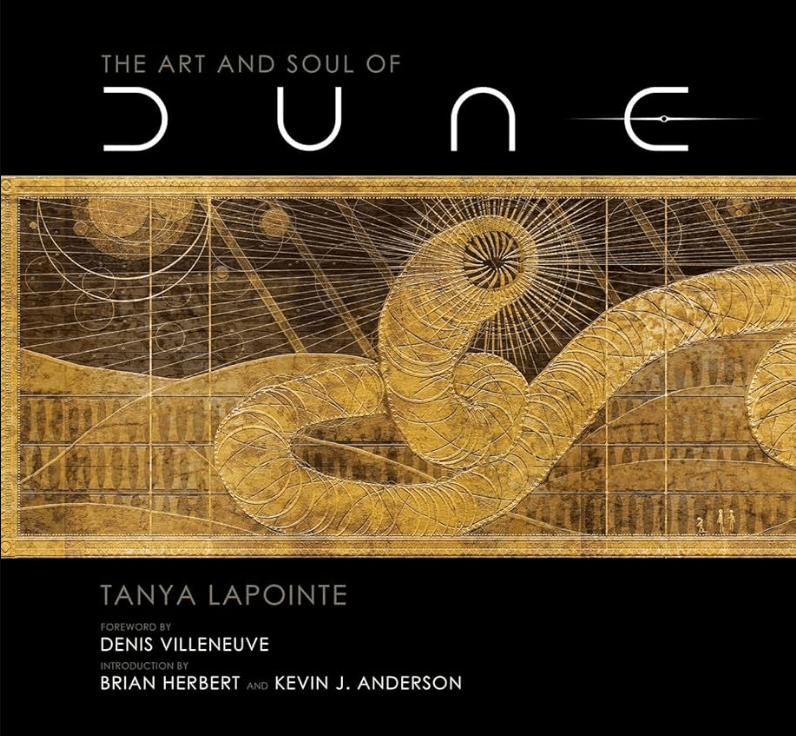
If you loved Denis Villeneuve’s Dune films as much as I did, this book is easily a must-read. One of the most amazing things about the films, for me, is the cinematography. Just about every shot is worth marveling at, and it’s clear that a lot of thought was put into crafting every possible detail.
This book is a dream, as it shows you the thought processes behind Dune: Part One, from idea generation to implementation, particularly the technicalities and nitty-gritty details that went into the world-building and set-building. It’s never not inspiring to think about how much depth there is to the Dune films.
“The Art and Soul of Dune: Part Two” by Tanya Lapointe
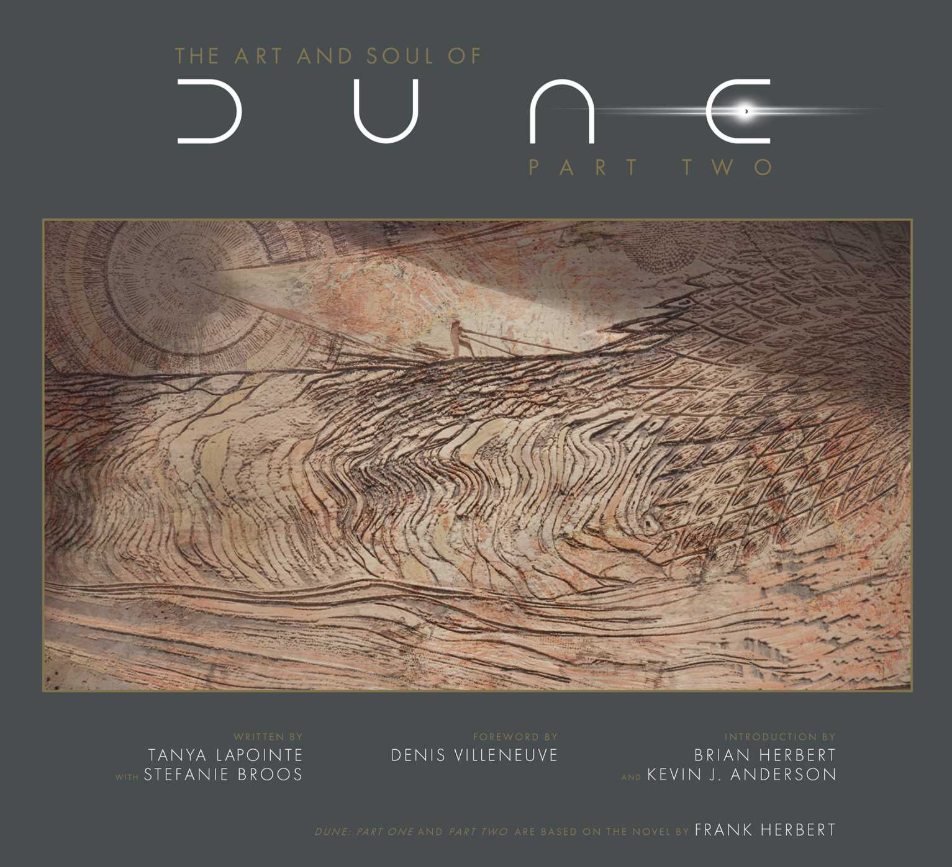
This book follows a similar premise by showing us how the magic is made in Dune: Part Two. Though, one thing that is lacking in this book is that there isn’t as much information on deleted scenes as compared to the previous book. Still, it’s a highly enjoyable read, and I couldn’t recommend it enough.
“Endurance” by Alfred Lansing

Lastly, I gave this book a re-read. Ernest Shackleton’s expedition in Antarctica is one of my favorite exemplary stories of great leadership. Even though the expedition was unsuccessful, he managed to lead his team to safety and survival, by carefully navigating their morale. He knew just how to read and leverage his team members’ different personalities and emotional needs, at a time when it was deathly important to stick together.
 Izzat Zailan
Leave a Comment